
Most whisky is matured in relatively stable climates. Western Queensland is not one of them.
Scotland, Ireland and much of northern Europe experience gradual seasonal change. Even many Australian whisky regions enjoy cooler, more temperate conditions for much of the year. The environment certainly influences the spirit, but often in subtle ways, unfolding slowly over time.
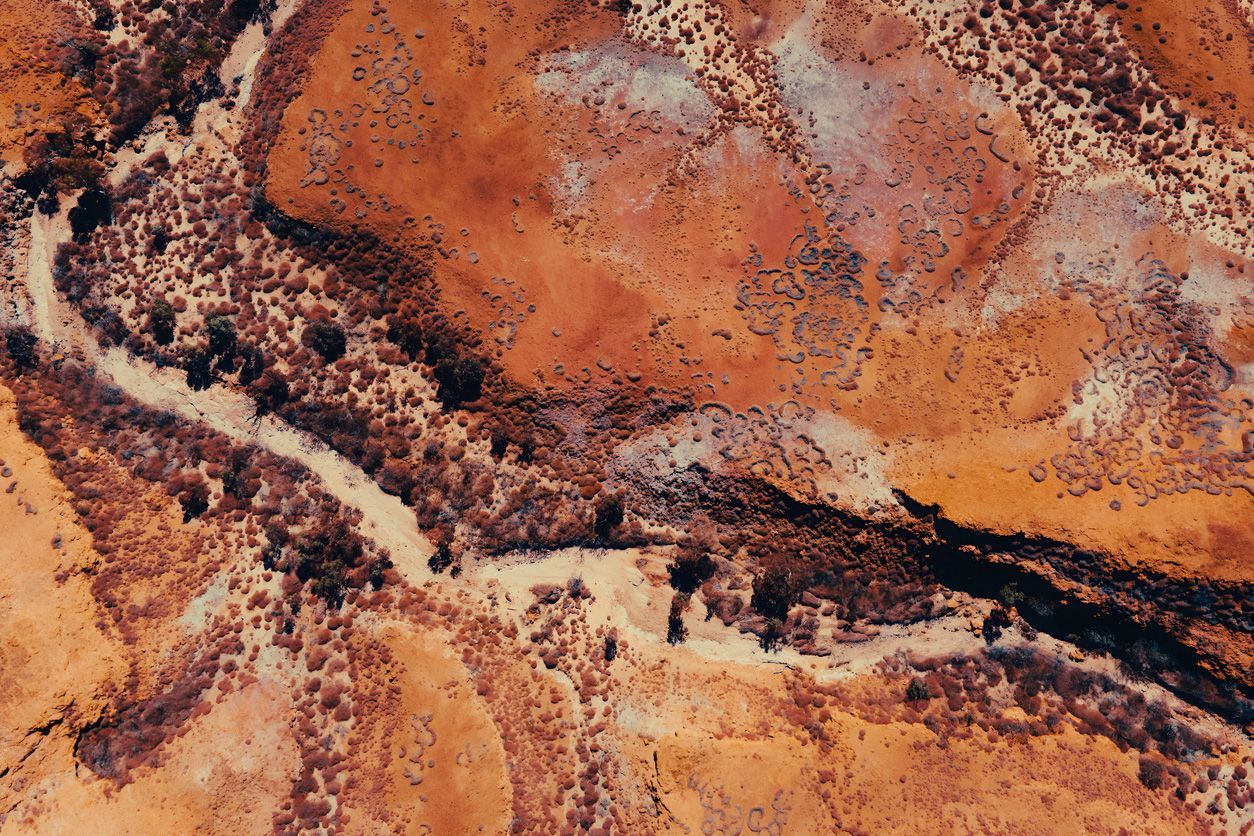
In Roma, summer temperatures regularly exceed 40°C. Winter nights can fall close to freezing. Humidity is low, rainfall is unpredictable, and the transition between seasons is rarely gentle. It is an environment defined by extremes, and those extremes become part of the whisky's story from the moment it enters a barrel.
At The Outback Distilling Co., we often say that climate shapes our spirits.
The Outback is not simply where our whisky matures. It is one of the forces that creates its character.
A Place Defined by Extremes
When people think about what influences the flavour of whisky, they tend to focus on ingredients, distillation or cask selection. All of those things matter.
What is sometimes overlooked is the role of place.
Two distilleries can begin with the same spirit and fill it into similar barrels, yet produce noticeably different whiskies. The reason is simple: maturation is not a passive process. A barrel is constantly responding to its environment, and the spirit inside it responds in turn.
That relationship becomes particularly apparent in the Australian Outback.
Our whisky matures in Roma, where long periods of heat are followed by cool nights and distinct seasonal shifts. Throughout the year, the spirit is exposed to a cycle of expansion and contraction that encourages interaction with the oak. As temperatures rise, the whisky moves deeper into the wood. As temperatures fall, it returns carrying colour, flavour and aromatic compounds extracted from the cask.
This process happens in every whisky-producing region. What differs here is the intensity.
The Outback asks more of the barrel, and the barrel gives more back in return.
What We Mean by Arid-Ageing
We describe our maturation process as arid-ageing.
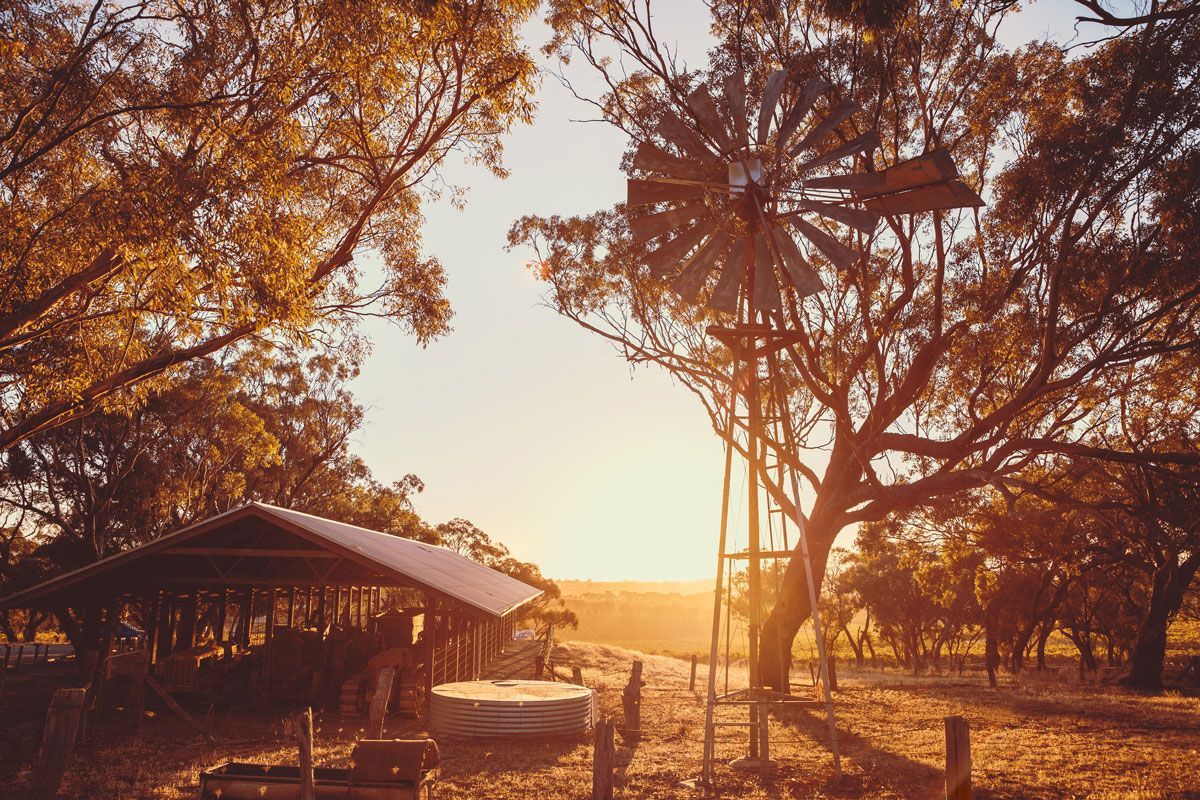
The term reflects the conditions in which our whisky matures: low humidity, significant temperature variation and long, uninterrupted seasons. Unlike more humid coastal climates, Western Queensland experiences extended periods of dry weather and dramatic shifts between hot days and cool nights, creating a maturation environment unlike any other in Australia.
Over time, we've observed the impact these conditions have on the whisky.
In our experience, colour develops quickly and oak influence emerges earlier than in many traditional maturation environments. Layers of dried fruit, spice and texture appear in ways that continue to surprise us as our whisky programme evolves.
We are careful not to overstate what we can prove. Arid-ageing remains an area of active observation and study for us. But after years of working with barrels in this environment, one thing is clear: climate matters.
Not in an abstract sense. Not as a romantic notion of place.
In the glass.
A Different Rhythm
Warm-climate whisky is sometimes described as maturing faster.
While there is some truth in that observation, it doesn't tell the whole story.
We don't think of arid-ageing as a shortcut. We think of it as a different rhythm.
A whisky matured in Western Queensland is not trying to become a Scottish whisky, just as a Barossa shiraz is not trying to become a Burgundy pinot noir. Both are expressions of place. Both are shaped by the conditions around them.
The same principle applies to whisky.
Our climate creates a cycle of expansion, contraction and integration within the barrel. During summer, heat drives interaction between spirit and oak, encouraging extraction and flavour development. During cooler periods, maturation slows, allowing flavours to integrate and evolve differently.
Repeated over years, these seasonal cycles create complexity in a way that reflects the environment itself.
The result is not an older version of somebody else's whisky.
It is a whisky that could only have been made here.
The Role of the Cask
Climate may shape maturation, but it does not work alone.
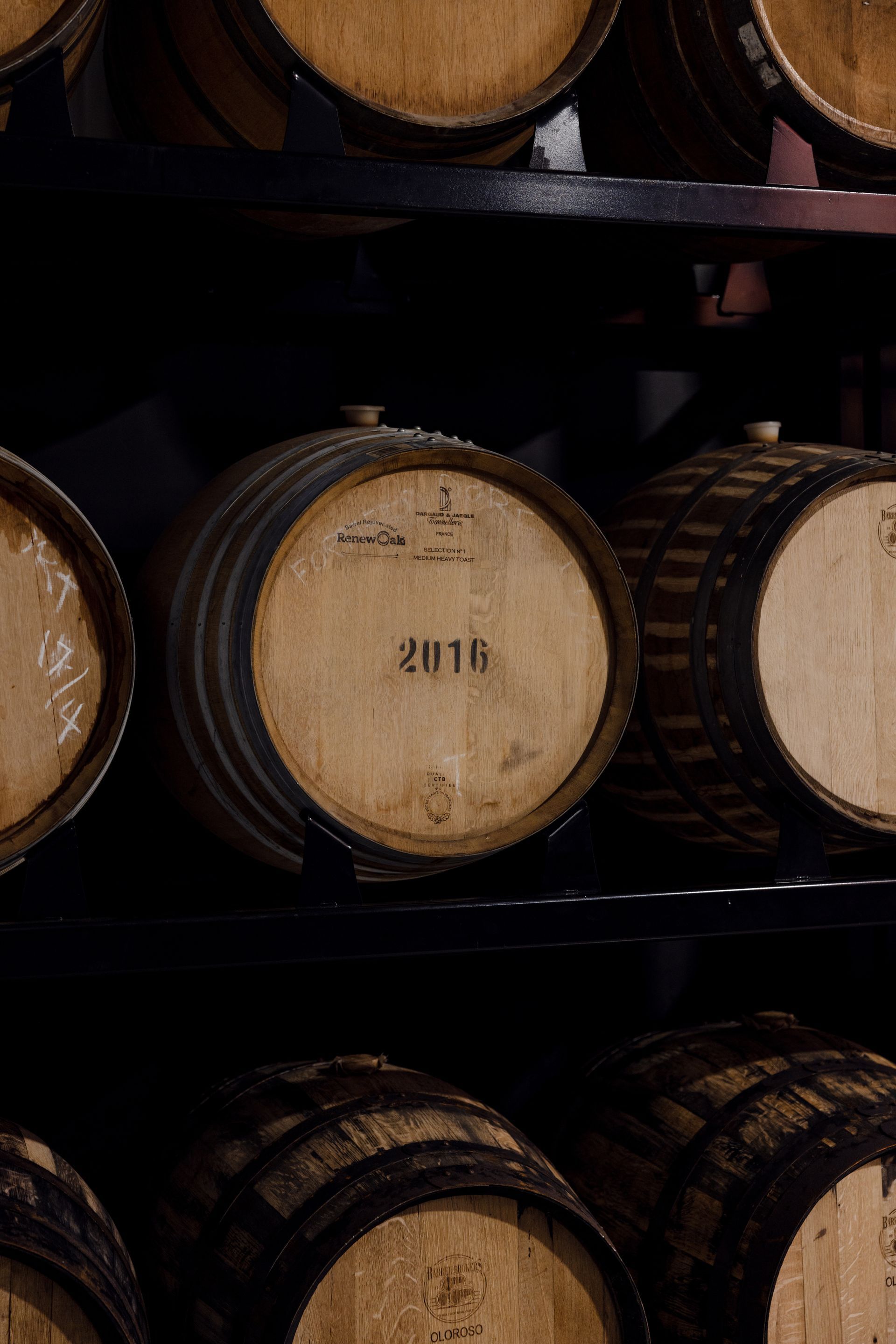
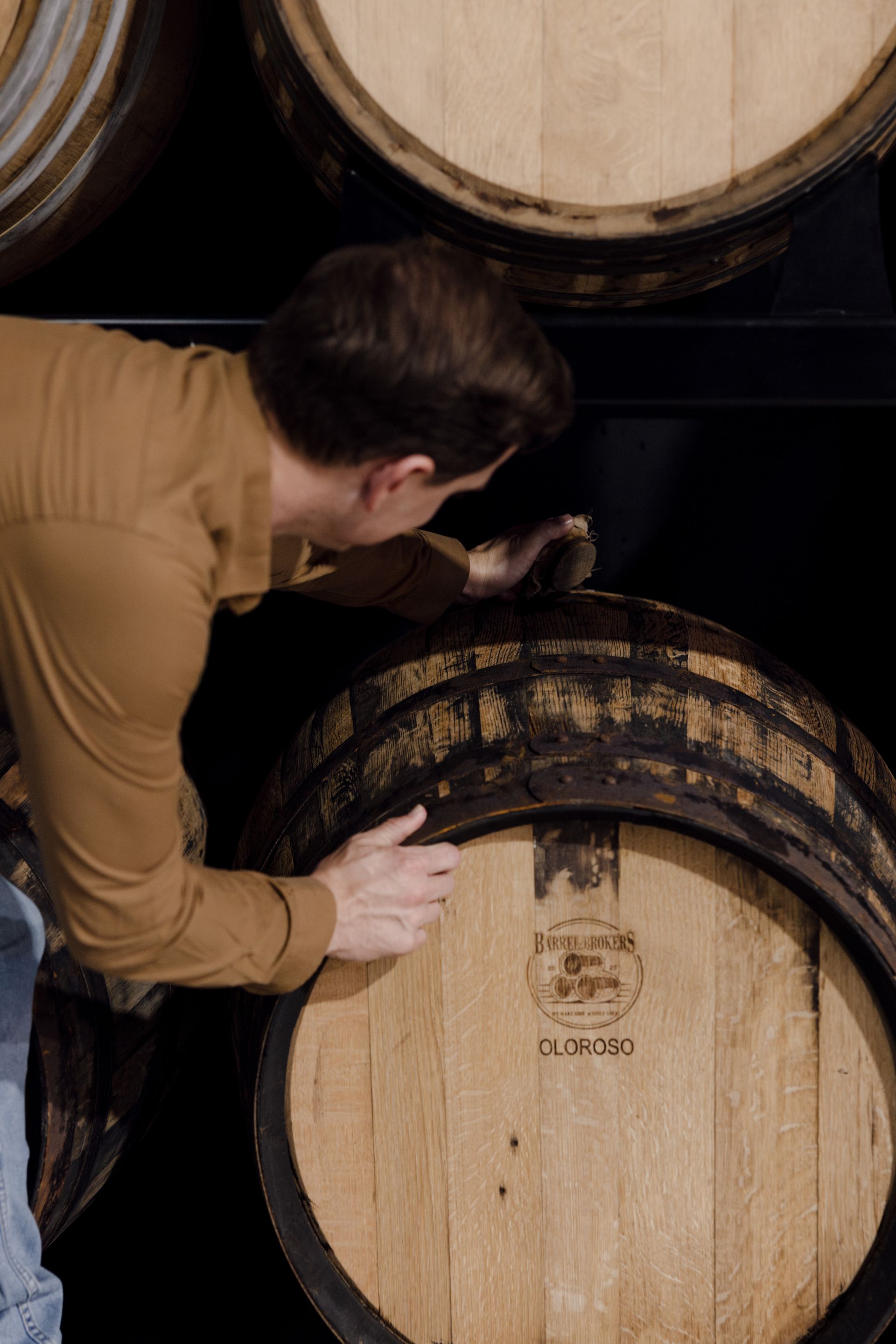
Our whisky programme is built around carefully selected ex-Bourbon and Oloroso sherry casks. The Bourbon casks provide structure, sweetness and notes of vanilla, while the Oloroso casks contribute dried fruit, spice and richness.
The interaction between spirit, oak and climate is where things become interesting.
In a cooler environment, those influences reveal themselves gradually over many years. In Western Queensland, the relationship is more dynamic. The barrels are constantly responding to changes in temperature, and the whisky is constantly responding to the barrels.
Rather than working against these conditions, we have learned to work with them.
Like every agricultural pursuit, success comes not from controlling nature but from understanding it.
In the Glass
Ultimately, climate matters because flavour matters.
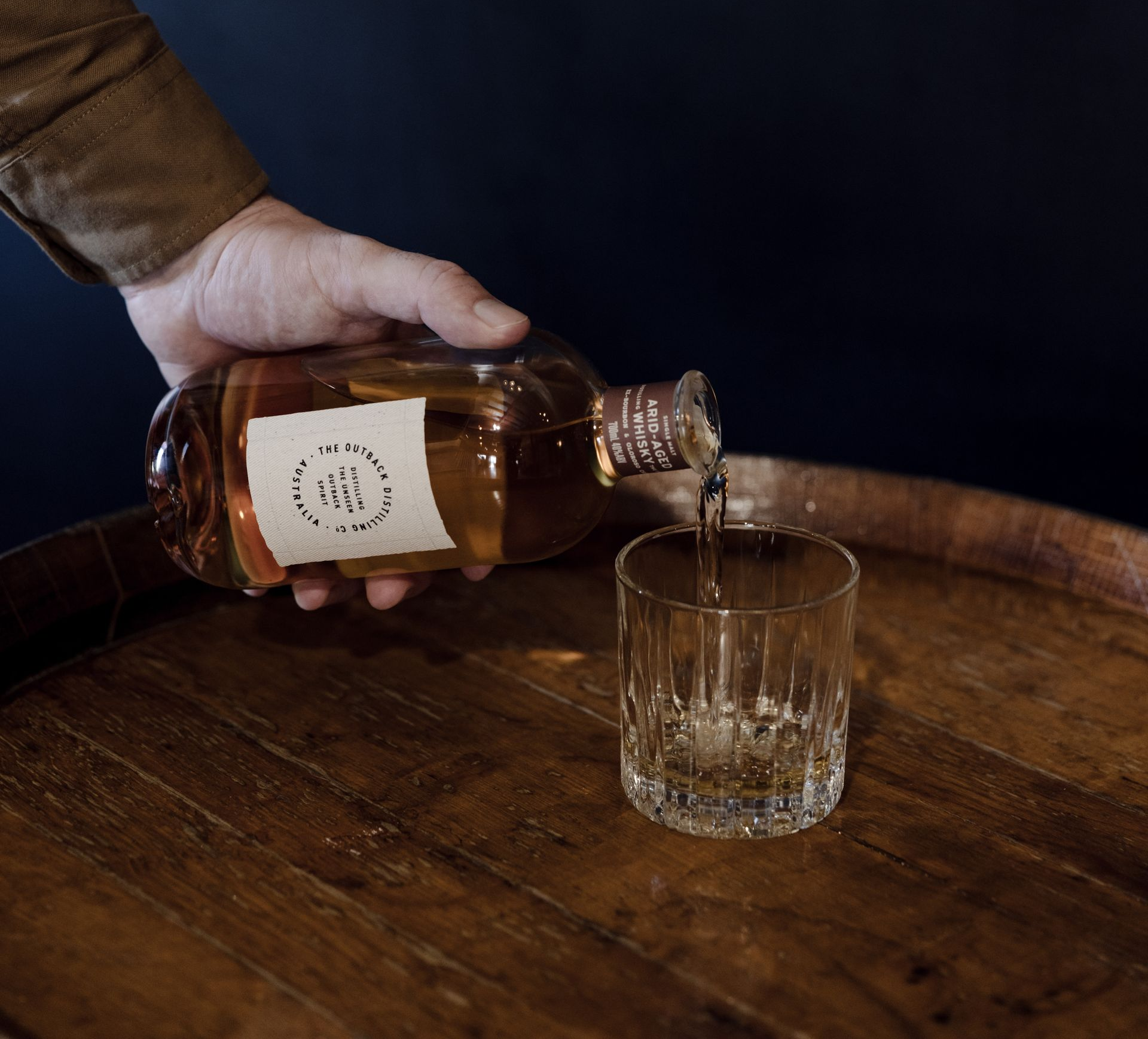
When people taste our Arid-Aged Single Malt Whisky, they often comment on its depth, colour and generosity of character.
Expect aromas of sweet ginger, honey syrup and sandalwood, followed by notes of warm stewed fruit, velvety almond and vanilla cream. The finish carries gentle spice and lingering sweetness.
Those flavours are the product of many decisions: cask selection, blending, patience and time.
But they are also shaped by the place where the whisky matured.
Every barrel spends years responding to the same heat, the same cool evenings, the same long dry seasons that define life in Western Queensland. The climate leaves its mark, quietly but unmistakably.
Distinctly Western Queensland
We did not establish a distillery in the Outback because it was easy.
We chose it because it was home.
Over time, we realised we weren't trying to overcome the challenges of the environment. We were learning to work alongside them. The heat, the seasons, the stillness and the unpredictability all became part of the process.
That philosophy continues to guide everything we do.
Many distilleries work within the conditions available to them. Our approach is to embrace the realities of where we are and allow them to contribute to the final spirit.
The result is whisky shaped by one of Australia's most extreme maturation environments — a whisky that carries the character of Western Queensland in every glass.
Not imagined. Not romanticised.
Simply the Outback, distilled.