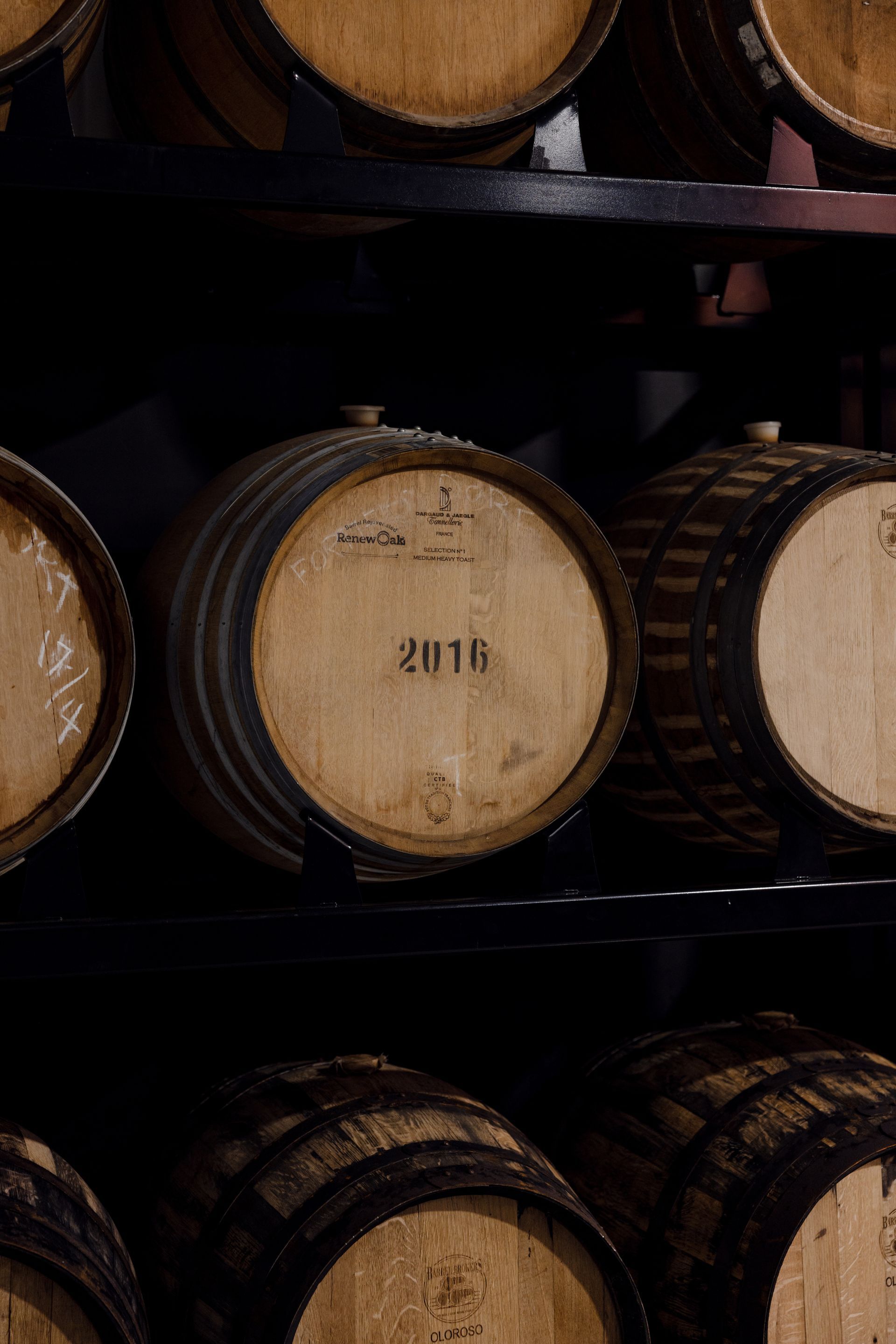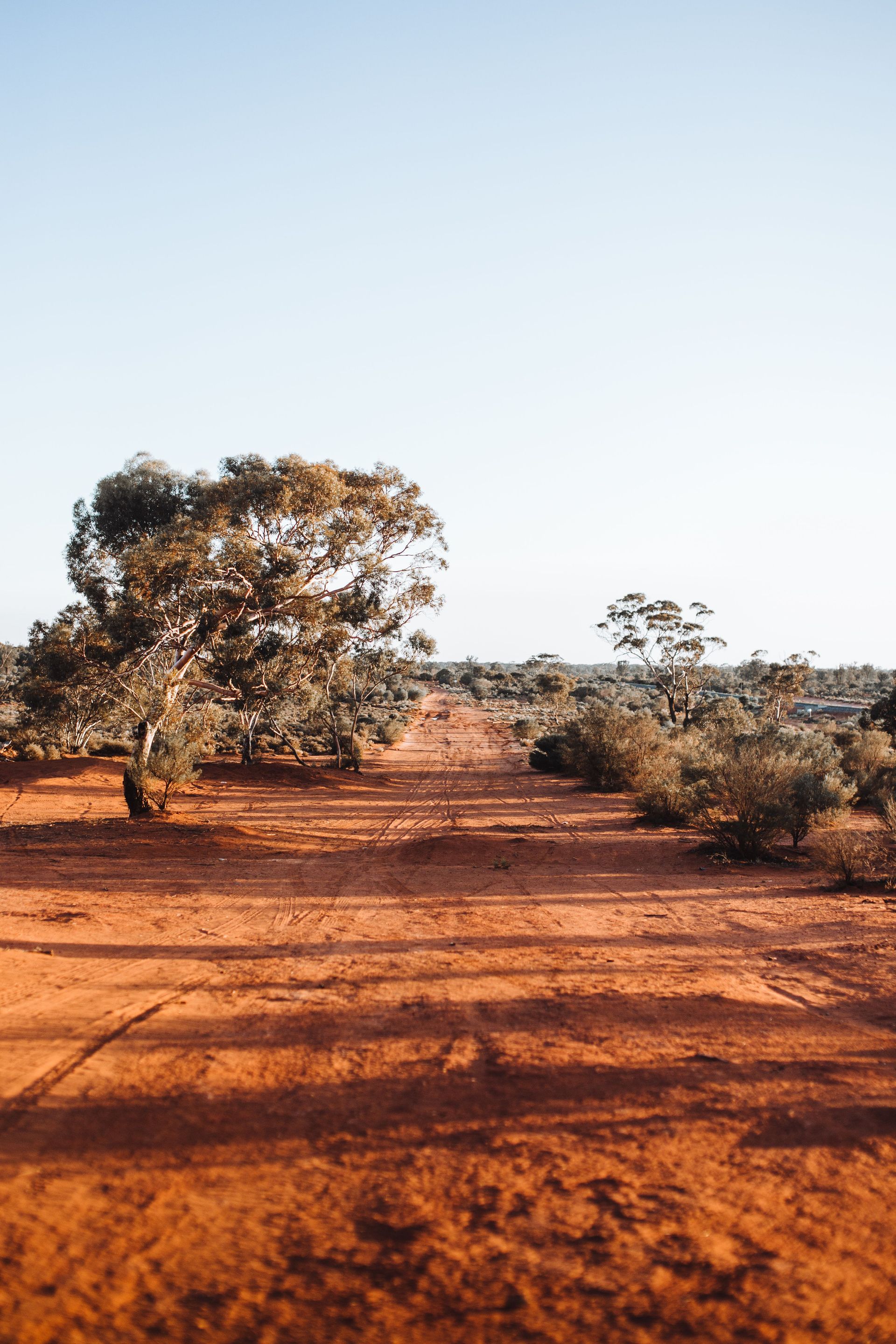

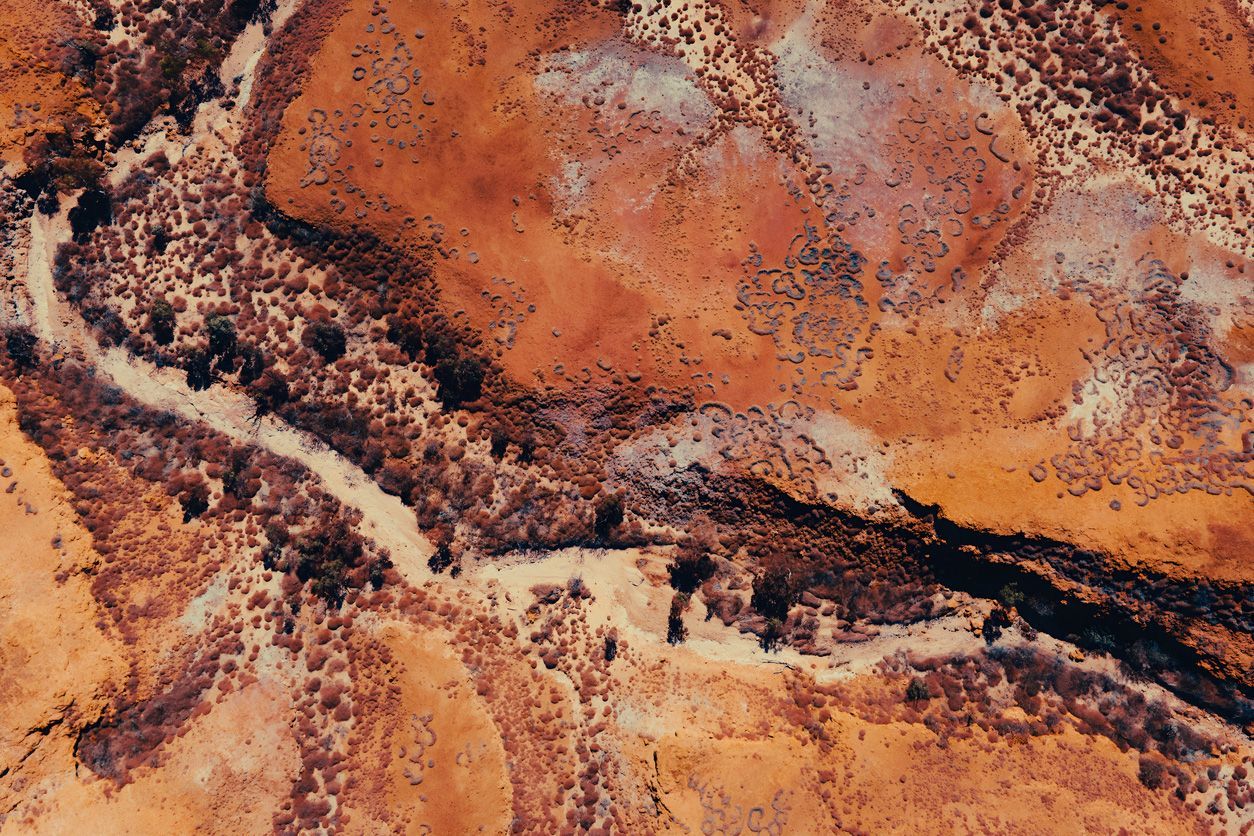
At dawn in Roma, a whisky barrel may be sitting in conditions very different from those it experienced the afternoon before.
A hot Outback day can give way to a surprisingly cool evening. These daily fluctuations are known as diurnal temperature swings, and they are one of the defining characteristics of life in Outback Queensland.
The term is more commonly associated with agriculture and viticulture, where temperature variation influences crop growth and grape development. Yet it is equally relevant to whisky maturation, where the conditions surrounding a barrel help shape the spirit inside.
Cask type, distillation and ingredients all contribute to flavour. But maturation is where many of whisky’s defining characteristics emerge, and climate plays an important role in how that process unfolds.
A Barrel Is Always Moving
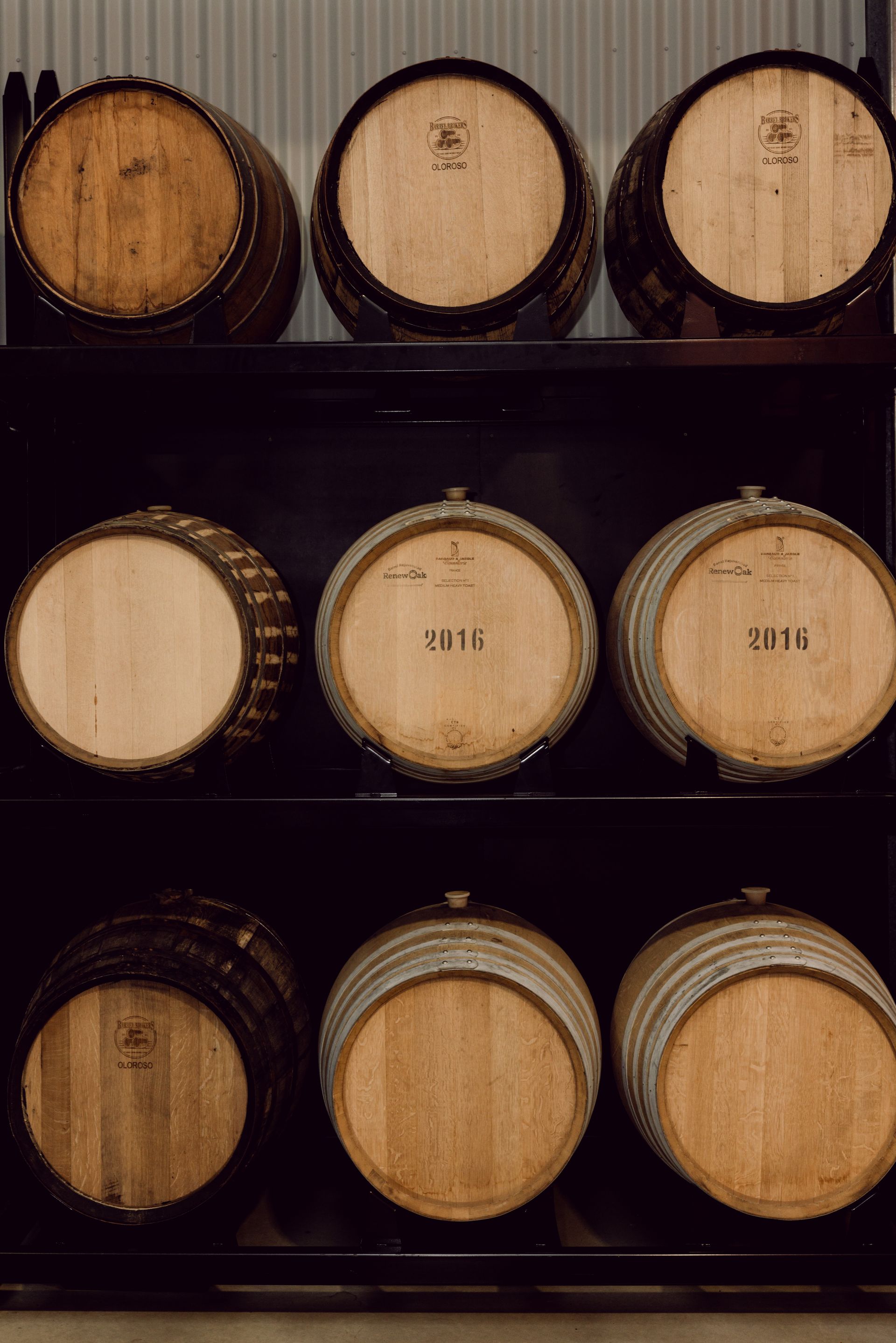
It is easy to imagine a whisky barrel as a static vessel, quietly waiting for time to pass.
In reality, maturation is a dynamic process.
Oak expands and contracts as temperatures change. As conditions warm, the spirit moves deeper into the wood. As they cool, it retreats again, carrying compounds extracted from the cask back into the whisky.
This interaction occurs in every whisky-producing region. What differs is the frequency and intensity of the cycle.
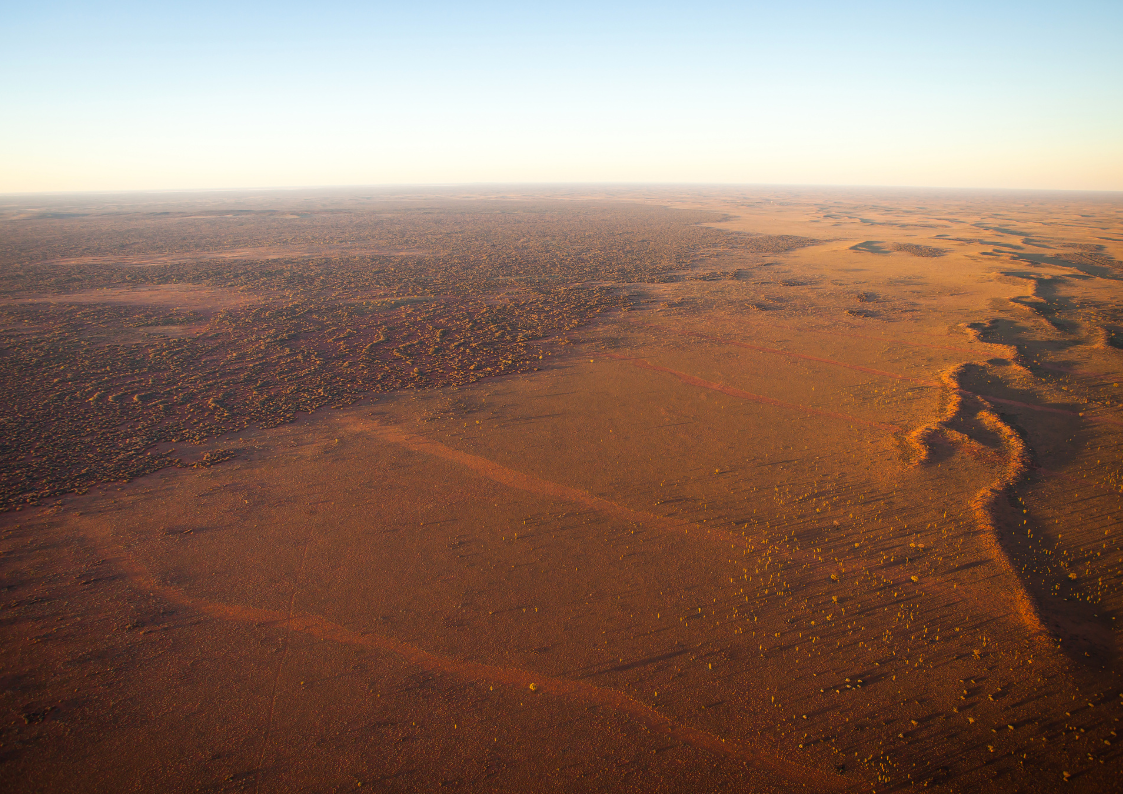
In climates where temperatures remain relatively stable, these interactions take place more gradually. In Outback Queensland, warm days are often followed by much cooler nights, creating a maturation environment that continually responds to change.
Why It Matters
Whisky flavour develops through countless interactions between spirit and oak over time.
The cask contributes colour, texture and a wide range of aromatic compounds. Vanilla, spice, dried fruit and oak character can all emerge through this relationship.
Greater variation between daytime and nighttime temperatures creates a more active cycle of expansion and contraction within the barrel. This influences the way the spirit interacts with the oak throughout maturation.
It is one of the reasons climate plays such an important role in our whisky programme.
More Than Summer Heat
When people think about warm-climate whisky, they often focus on high temperatures.
Heat is certainly important, but it is only part of the story.
What distinguishes Outback Queensland is not simply the heat, but the contrast between warm days and cooler nights. Those daily shifts keep the barrel responding to its surroundings throughout the year.
This is what makes the Outback such a fascinating place to mature whisky. The environment is constantly changing, and the whisky develops within that rhythm.
The Outback Effect
No two barrels mature in exactly the same way. Climate, cask selection, spirit character and time all contribute to the final result.
Yet after years of making whisky in the Outback, one observation continues to stand out: place matters.
The dramatic temperature shifts that define life in Outback Queensland are not simply background conditions. They are part of the maturation environment itself, influencing the relationship between spirit and oak each day.
For us, diurnal temperature swing is more than a technical term. It is one of the defining characteristics of the place in which our whisky matures—and one of the reasons a spirit shaped by the Outback develops a character all its own.