
Most people think about whisky maturation in years.
Inside the barrel hall, it often feels more natural to think in seasons.
A barrel filled in January experiences a very different environment to that same barrel in July. In many of the world's traditional whisky regions, seasonal change is measured and gradual. In the Outback, it is harder to ignore.
The Outback is defined by extremes. Summer temperatures regularly reach 44°C. In winter, overnight temperatures can fall close to freezing. Few whisky-producing regions experience that degree of seasonal contrast.
For the whisky resting in barrel, every season leaves its mark.
January: The Heat Settles In
By mid-afternoon, the heat has settled over the distillery.
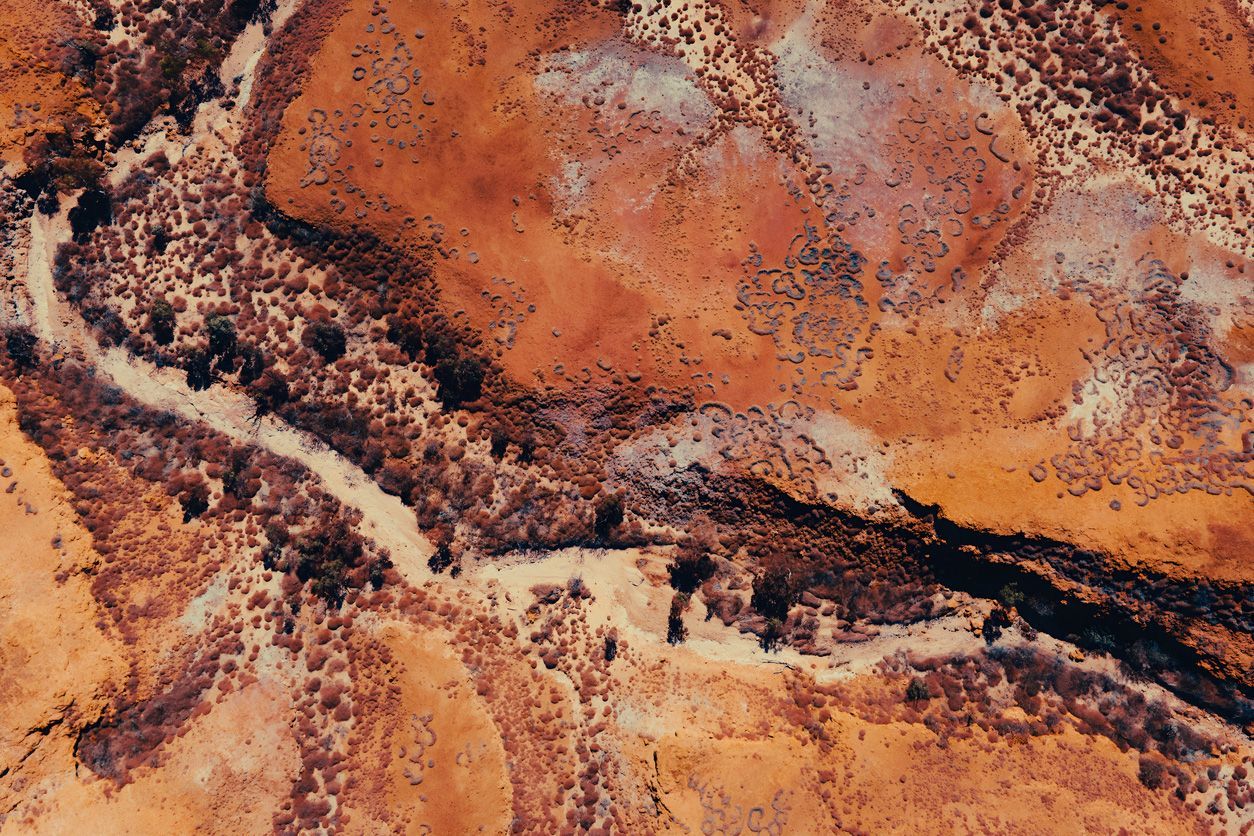
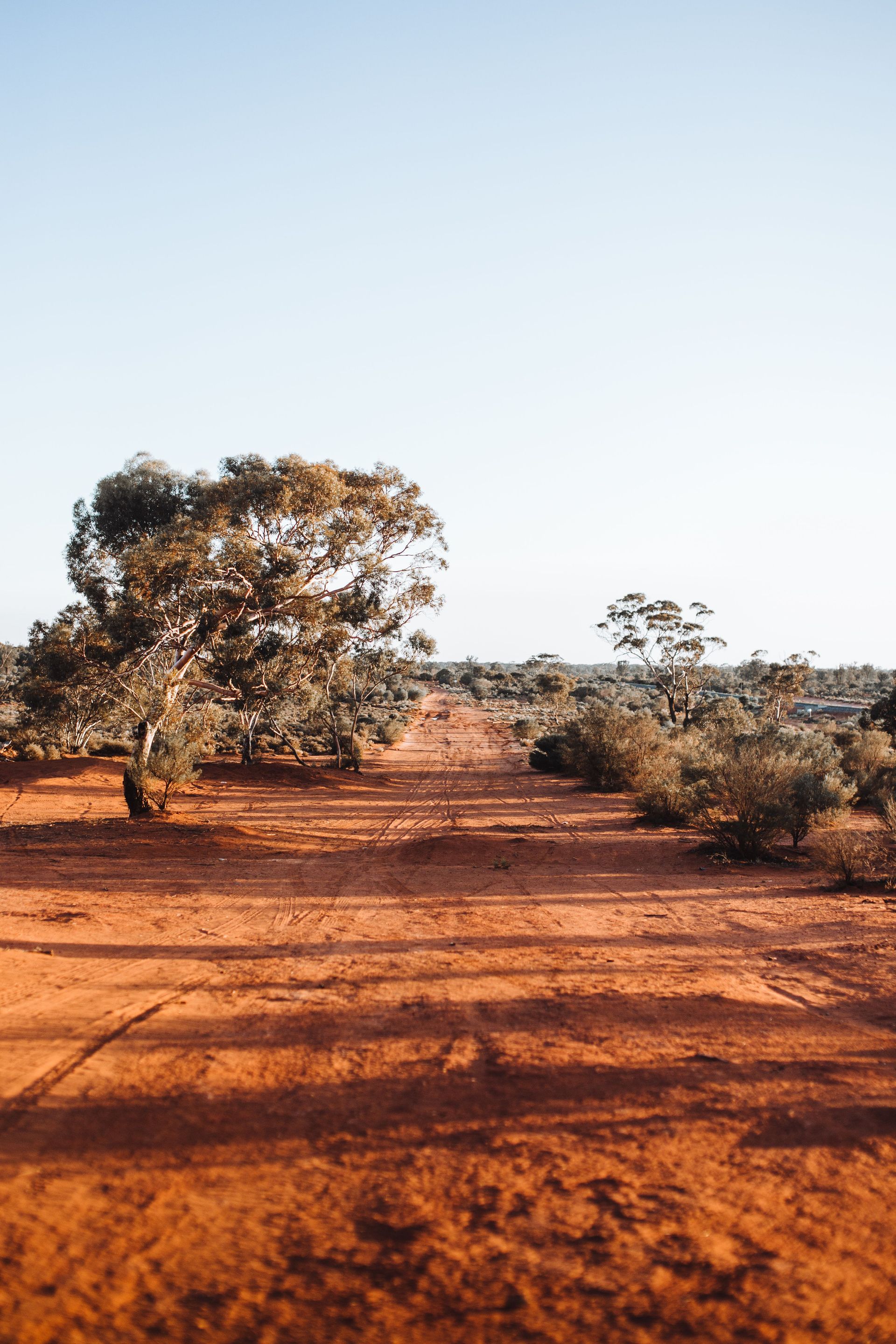
The bond store sits at around 34°C. Outside, the landscape has taken on the familiar colours of an Outback summer: pale grasses, red earth and long stretches of open sky.
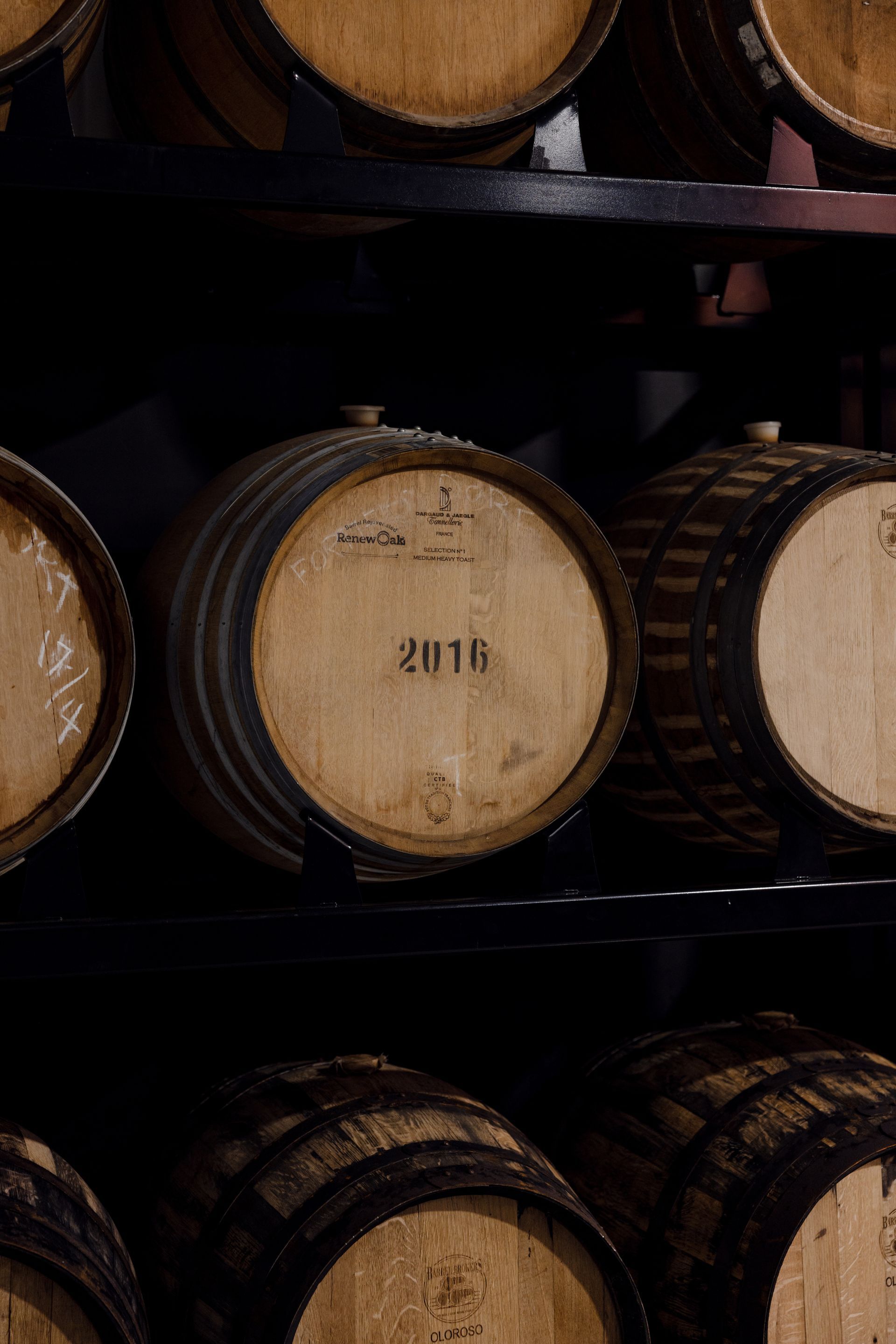
Walk between the barrels and there is little movement. The air feels still.
This is the season when maturation feels most active. As temperatures rise, the spirit expands deeper into the oak. Day after day, the process repeats. The barrels warm, the whisky moves, and the relationship between spirit and wood becomes more pronounced.
The changes are subtle enough to escape notice from one day to the next, yet over the course of a season their effect becomes unmistakable. What appears static is, in reality, a slow accumulation of countless interactions between spirit, oak and climate.
April: Between Extremes
Autumn arrives gradually.
The intense heat of summer begins to soften, but warm days remain common. Mornings become cooler. Evenings linger a little longer.
The bond store feels different now. Not cooler exactly, but calmer, as the intensity of summer gives way to a more measured rhythm.
The barrels continue their daily cycle of warming and cooling, though the contrast is less severe than it was in the height of summer. For the whisky, this period often feels like a transition between extremes.
The season is a reminder that maturation is not a straight line. It moves with the environment around it.
July: The Quiet Season
Winter catches many visitors by surprise.
The Outback is often associated with heat, yet winter mornings require a jacket before sunrise. Overnight temperatures regularly approach freezing.
Step into the barrel hall early in the day and the atmosphere is entirely different to January.
The same barrels stand in the same positions, yet the environment feels quieter. Maturation does not stop, but it follows a different rhythm, shaped by cooler days and far colder nights.
Where summer encourages activity, winter allows the spirit time to settle. The whisky continues interacting with the oak, but at a gentler pace. If summer can be thought of as a period of stress, winter feels more like recovery.
Both seasons play a role, and neither can be understood without the other.
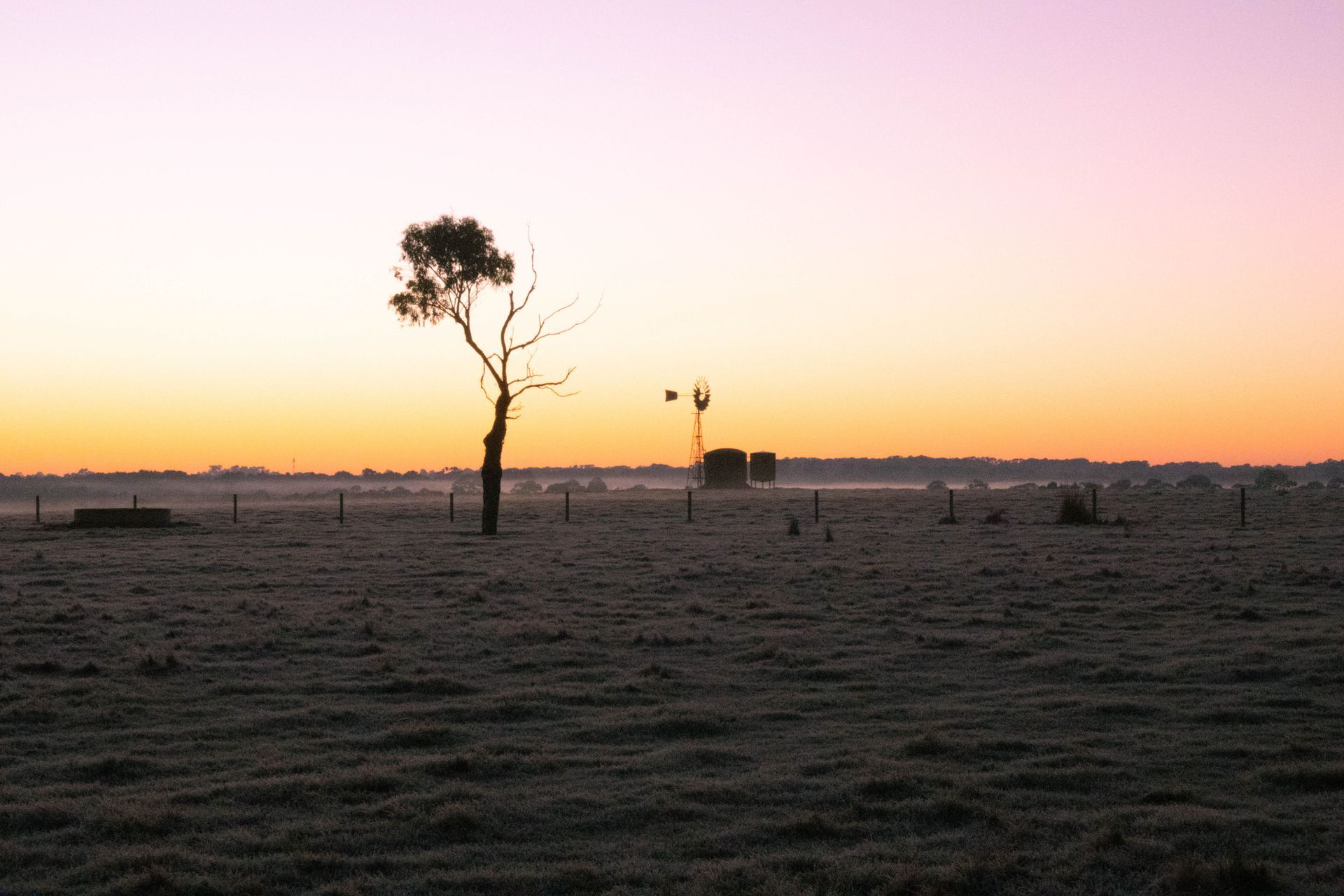
October: The Cycle Begins Again
By spring, the cycle begins to turn again.
The warmth returns. Native plants respond to the season. The landscape begins preparing for another summer.
Inside the bond store, the barrels are preparing too.
Temperatures rise. Daily fluctuations become more pronounced. Another season of interaction between spirit and oak gathers momentum.
The process is familiar, but never identical. Every year brings slightly different conditions, and every barrel responds in its own way. That variability is part of what makes maturation such a long-term conversation between spirit, oak and climate.
A Different Rhythm
Over the course of a year, a barrel maturing in the Outback experiences intense heat, cold winter nights and everything in between. Those seasonal shifts create a pattern that repeats year after year, gradually shaping the spirit resting inside the oak.
Climate's influence does not come from any single season or temperature. It emerges through years spent moving between extremes, with each summer and winter leaving a small but lasting impression on the whisky.
When we speak about climate shaping our whisky, this is what we mean.